

Understanding Stair Lifts: Types, Costs, and Installation
Explore straight stair lifts, curved stair lifts, and outdoor models. We cover what to expect during installation and how to choose the right solution.

Why Stair Lifts Matter for Aging in Place
Stairs present a real challenge for many people as they age or face mobility limitations. A fall on the stairs isn't just uncomfortable — it can be life-changing. That's where stair lifts come in. They're practical solutions that let people stay in their homes safely, maintaining independence without worrying about taking the stairs.
We're not here to sell you anything. Instead, we'll walk you through what's actually available, how these systems work, and what installation looks like in real homes. You'll understand the differences between straight and curved models, get a sense of what's involved in setup, and know what questions to ask when you're ready.
The Three Main Types of Stair Lifts
Not all stair lifts are created equal. The type you need depends on your staircase configuration and specific situation. Let's break down the three main categories you'll encounter.
Straight Stair Lifts
These work on staircases with no landings or turns. They're the most straightforward option and typically cost less than curved models. Installation is simpler because the rail follows a direct path from bottom to top. If you've got a standard staircase, this is probably what you're looking at.
Curved Stair Lifts
When your staircase has turns, landings, or bends, you'll need a curved lift. The rail is custom-built to match your exact staircase geometry. Yes, they cost more — sometimes significantly. But they're the only option for homes with L-shaped or spiral staircases. The installation takes longer because the rail has to be precisely measured and fabricated.
Outdoor Stair Lifts
Outdoor models handle weather exposure with heavy-duty materials and weatherproofing. They're designed for porches, decks, and exterior staircases. These typically cost more upfront and require regular maintenance to handle rain, snow, and temperature changes. But they're built tough for outdoor conditions.
What Actually Happens During Installation
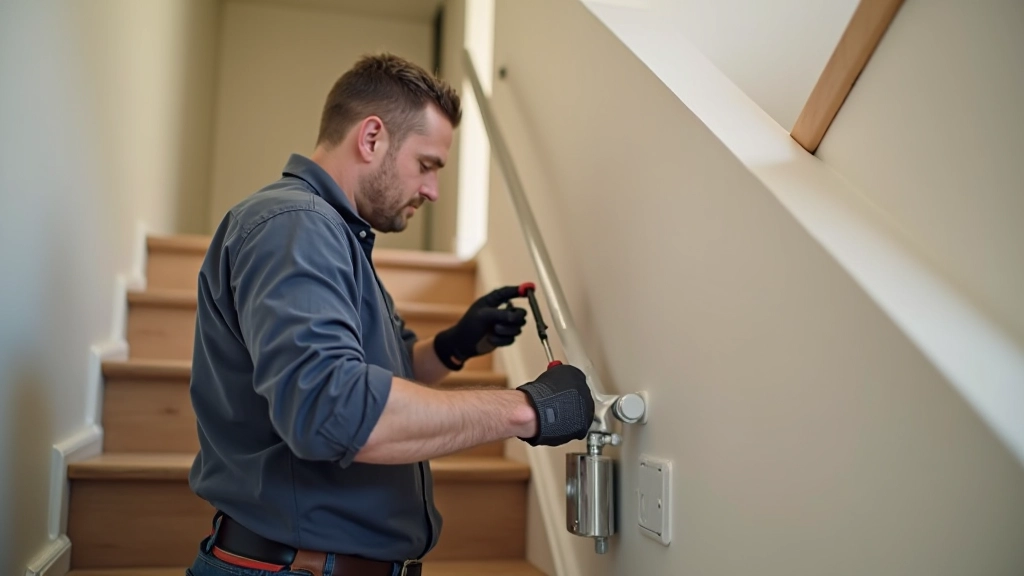
Installation isn't something you'll DIY. It requires precision and safety know-how. Here's what typically happens when professionals come to set up your stair lift.
01
Measurements and Assessment
Technicians measure your staircase precisely. They check angles, width, landing spaces, and any obstacles. For curved lifts, they'll create a detailed template of your exact staircase shape. This usually takes 30-45 minutes.
02
Rail Preparation and Mounting
For straight lifts, this is fairly quick. For curved models, they'll assemble the custom rail on-site or bring it pre-fabricated. They'll secure the rail to your staircase using brackets and fasteners anchored into the stairs themselves.
03
Chair and Motor Installation
The motorized seat gets attached to the rail system. They'll test all mechanical components — armrests, footrests, safety features — to ensure everything moves smoothly and stops properly.
04
Safety Testing and Training
They'll test safety sensors, emergency stops, and battery backup systems. Then they'll walk you through operation — how to use the controls, what the sounds mean, and basic troubleshooting.
Key Features You'll Want to Understand
Modern stair lifts come with various features that affect safety, comfort, and convenience. Here's what actually matters when you're evaluating options.
Battery Backup Systems
Power goes out? A built-in battery lets you move the chair to the nearest landing so you can safely get off. This isn't optional — it's a practical safety feature most modern lifts include. Batteries typically last 5-8 years.
Safety Sensors and Stops
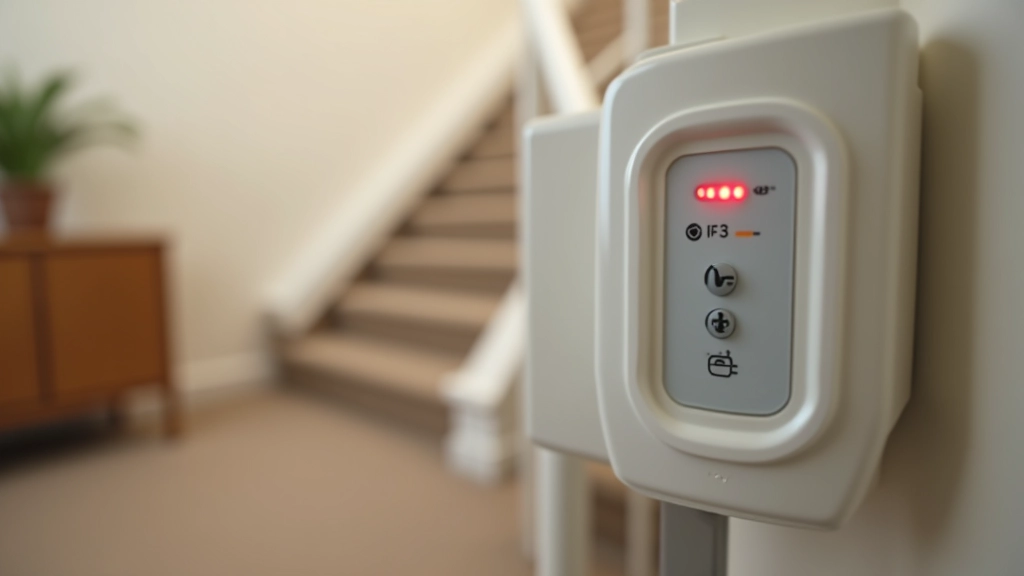
Obstacle detection stops the lift if something blocks the rail. Emergency stop buttons let users halt movement immediately. Seat belt systems keep users secure during movement. These work together to prevent accidents.
Comfort and Ergonomics
Look for padded seats, adjustable armrests, and smooth movement. Some models have heated seats or massage functions. The footrest should extend and retract smoothly. Speed is usually adjustable so users can go slow if they prefer.
Noise and Operation
Modern lifts are pretty quiet — usually under 70 decibels. That's about as loud as a vacuum cleaner. Movement should be smooth without jerking. Remote controls let users call the lift from upstairs or downstairs.
Real-World Considerations
Beyond the technical specs, there are practical things to think about. Space at the top and bottom of stairs matters — you need room for the chair to fold and for someone to get in and out safely. Most lifts require at least 12 inches of landing space.
Weight capacity is important. Most models handle up to 300 pounds, but some support more. If you're overweight, verify the specifications before choosing. The chair needs to support the user safely and comfortably.
Maintenance is minimal but necessary. Annual inspections catch wear on the rail, motor issues, or battery problems before they become safety concerns. Many companies offer maintenance contracts for $100-300 per year.
Folding mechanisms are important too. The footrest and armrests should retract completely so the chair doesn't stick out into the staircase when not in use. This keeps stairs passable for others and reduces tripping hazards.
Questions to Ask When Evaluating Options
When you're talking with suppliers or installers, these are the practical questions that matter. Don't hesitate to ask them multiple times or get answers in writing.
Is installation included, and how long does it take?
Most companies include professional installation, but verify this. Straight stair lifts usually take 2-4 hours. Curved models can take a full day or even two days if custom fabrication is needed on-site. Ask about the timeline before you commit.
What happens if we need to move the lift later?
Moving a stair lift isn't cheap or quick. Straight rails can sometimes be moved to a different staircase, but curved rails are built specifically for one staircase. Some companies offer removal and reinstallation services. Budget several hundred dollars if you think you might move it.
What's covered under warranty?
Most warranties cover the motor and mechanical components for 1-2 years, sometimes longer on parts. Ask specifically about what's covered — some don't cover battery replacement or normal wear on the seat. Get warranty details in writing.
How much does servicing and repair cost?
Service calls can run $150-300. Parts vary wildly — a new motor might cost $500-1000, while a battery replacement is usually $200-400. Ask for a price list or estimate for common repairs before you buy.
What if we want to sell the house — can the lift stay?
The lift is attached to your stairs, so technically you can leave it or remove it. Some buyers will want it; others might prefer you take it out. This isn't something to worry about now, but it's worth understanding that removing a stair lift requires professional work and restoration of the staircase.
Key Takeaways
- Straight lifts work for simple staircases and cost less. They're faster to install and generally simpler to maintain.
- Curved lifts handle turns and landings with custom-built rails. They cost more but are the only option for complex staircases.
- Outdoor lifts are built for weather exposure and need regular maintenance. They're essential if you have exterior stairs.
- Installation matters. Professional setup ensures safety and proper operation. Don't try to DIY this one.
- Battery backup is non-negotiable. You need it for safety if power goes out.
- Ask questions about warranty, maintenance, repair costs, and what happens if you need to move it. Get everything in writing.
Stair lifts aren't a small purchase, but they're a smart investment if stairs are limiting your independence. The right choice depends on your specific staircase, budget, and long-term plans. Take time to understand your options before deciding.
Related Articles

Important Disclaimer
This article provides educational information about stair lift types, installation processes, and features. It's not meant to be professional advice or a substitute for consulting with qualified installers, contractors, or healthcare providers. Every home is different, and what works for one person may not work for another. Building codes, safety standards, and installation requirements vary by location. Before making any decisions about stair lifts or home modifications, we strongly encourage you to consult with licensed professionals who can assess your specific situation, your home's structure, and your individual needs. Safety should always be the priority in any home modification project.