
Bathroom Grab Bar Installation: A Complete Guide
Learn where to install grab bars, weight capacity standards, and installation methods that work for renters and homeowners alike.
Read MorePractical guides for bathroom modifications, mobility solutions, smart home technology, and accessible kitchen design — helping families create safer living spaces across the United States.
Whether you're planning renovations or looking for immediate safety upgrades, we've gathered resources covering grab bars, stair lifts, monitoring systems, and accessible design principles. Everything you need to help your loved ones live independently and safely at home.
Explore our collection of practical articles covering home safety modifications and aging-in-place solutions
Learn where to install grab bars, weight capacity standards, and installation methods that work for renters and homeowners alike.
Read More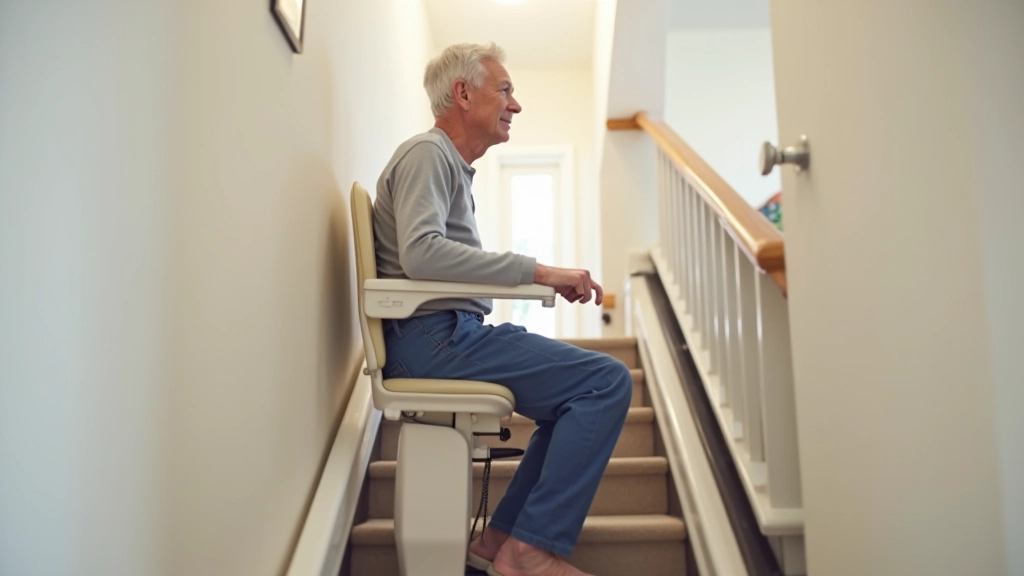
Explore straight stair lifts, curved stair lifts, and outdoor models. We cover what to expect during installation and how to choose the right solution.
Read More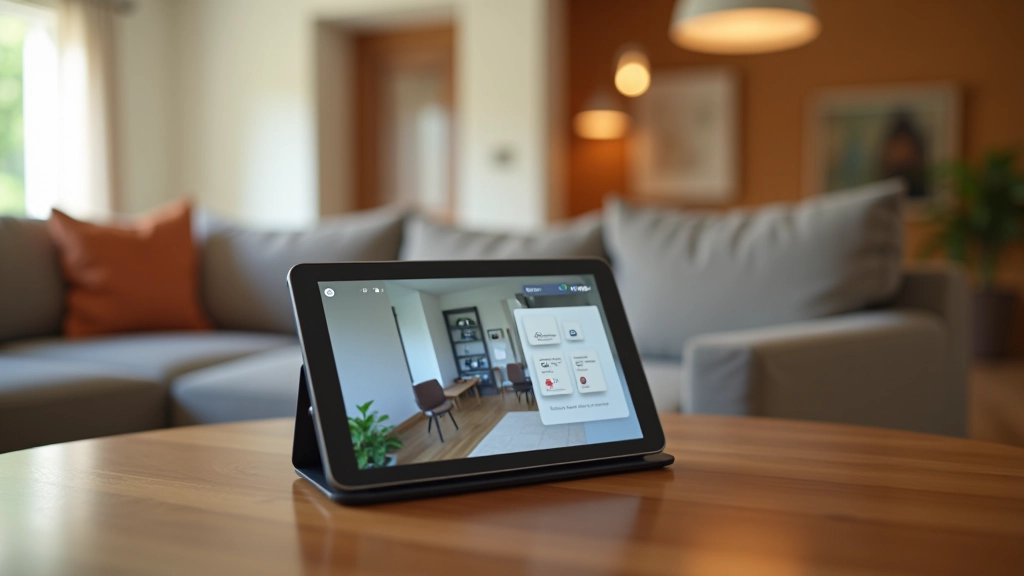
Discover motion sensors, fall detection, video doorbells, and health monitoring integration. Real solutions that keep loved ones safe without feeling intrusive.
Read More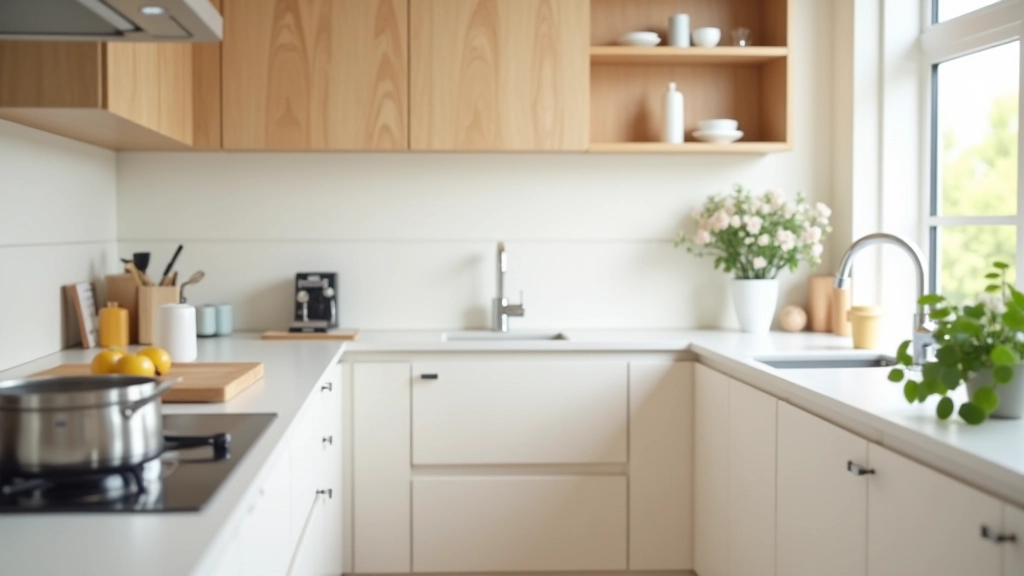
Counter heights, cabinet organization, appliance placement, and lighting considerations that work for mobility challenges and different abilities.
Read MoreEvaluate current mobility, vision, hearing, and balance challenges. Different people need different solutions. What works for one person might not suit another.
Modifications range from affordable grab bars to significant renovations. Start with high-impact, low-cost changes and build from there based on priorities.
U.S. building codes and ADA guidelines provide specific requirements for height, spacing, and weight capacity. These standards exist because they work.
Some modifications like stair lifts require professional installation. Others like grab bars can be DIY with proper research and the right tools.
Creating a safe home environment offers real advantages for independence, well-being, and quality of life.
Aging in place means staying in your own home as you get older, rather than moving to institutional care facilities. It's not just about comfort — it's about maintaining independence, dignity, and connection to your community. When homes are properly modified, people can continue doing the activities they enjoy while reducing the risk of falls and injuries.
The good news? You don't need to make all changes at once. Start with the areas where accidents are most likely — bathrooms, stairs, and kitchens. Add smart monitoring for peace of mind. Build accessible features gradually as needs evolve. Many modifications pay for themselves through reduced medical costs and avoided institutional care. Most importantly, they help your loved ones stay where they want to be.